
Barefoot in the Grass CSP-840 is a green paint color from Benjamin Moore. It has a hex value of #9CA476, estimated LRV 35 and a cool (green) undertone. Its closest cross-brand match is Cucuzza Verde from Sherwin-Williams (nearly identical), with 49 more equivalents across other brands.
Benjamin Moore · #9CA476 · CSP-840
Barefoot in the Grass
35%Estimated LRV
Cool (Green)Undertone
Barefoot in the Grass Technical Profile
HEX Code#9CA476
RGB156, 164, 118
Estimated LRV34.9
UndertoneCool (Green)
Digital swatches and calculated matches are approximations. Catalog LRV values may be calculated estimates, not manufacturer measurements. Data and matching method. Check the brand reference and physical samples before purchase.
Color Familygreen
BrandBenjamin Moore
Test it in your room
Place physical samples beside your flooring and trim. Check them in daylight and with your evening lights before buying paint.
Use this color
Get this color
Order a peel-and-stick sample of Barefoot in the GrassBuy at Ace HardwareSamples & supplies on Amazon
Some sample and supply links are affiliate links — if you buy through them, Paint Color HQ may earn a small commission at no extra cost to you. It helps keep the site free.
Compare alternatives to Barefoot in the Grass
Digital candidates from other paint brands, ranked by color similarity. Always verify with a physical sample. How we calculate match accuracy →
Cucuzza Verde
Sherwin-Williams
#9BA373
Close digital match
Nurturing
Behr
#A1A97B
Close digital match
Dill
PPG
#9DA073
Close digital match
Dill Grass
Dunn-Edwards
#A2A57B
Similar digital color
Jalapeño Tango
Dutch Boy
#999F77
Similar digital color
Aged Avocado
Vista Paint
#9B9E71
Similar digital color
Emerald Isle
Valspar
#9AA56D
Similar digital color
Yeabridge Green
Farrow & Ball
#919F70
Similar digital color
Rosemary Plant
Kilz
#A2A580
Similar digital color
French Pear
Hirshfield's
#9E9F7D
Similar digital color
Glass .04
Colorhouse
#969873
Similar digital color
Grey Beige
RAL
#9E9764
Visible digital difference
Seeing a close call? Order a peel-and-stick sample of Barefoot in the Grass — or sample it next to its top matches — Samplize buy 8 peel-and-stick samples, get 2 free.
Generated palette previews
Colors That Work With Barefoot in the Grass
These are generated digital colors, not named manufacturer paints. Use the palette tools to find paint candidates, then compare physical samples.
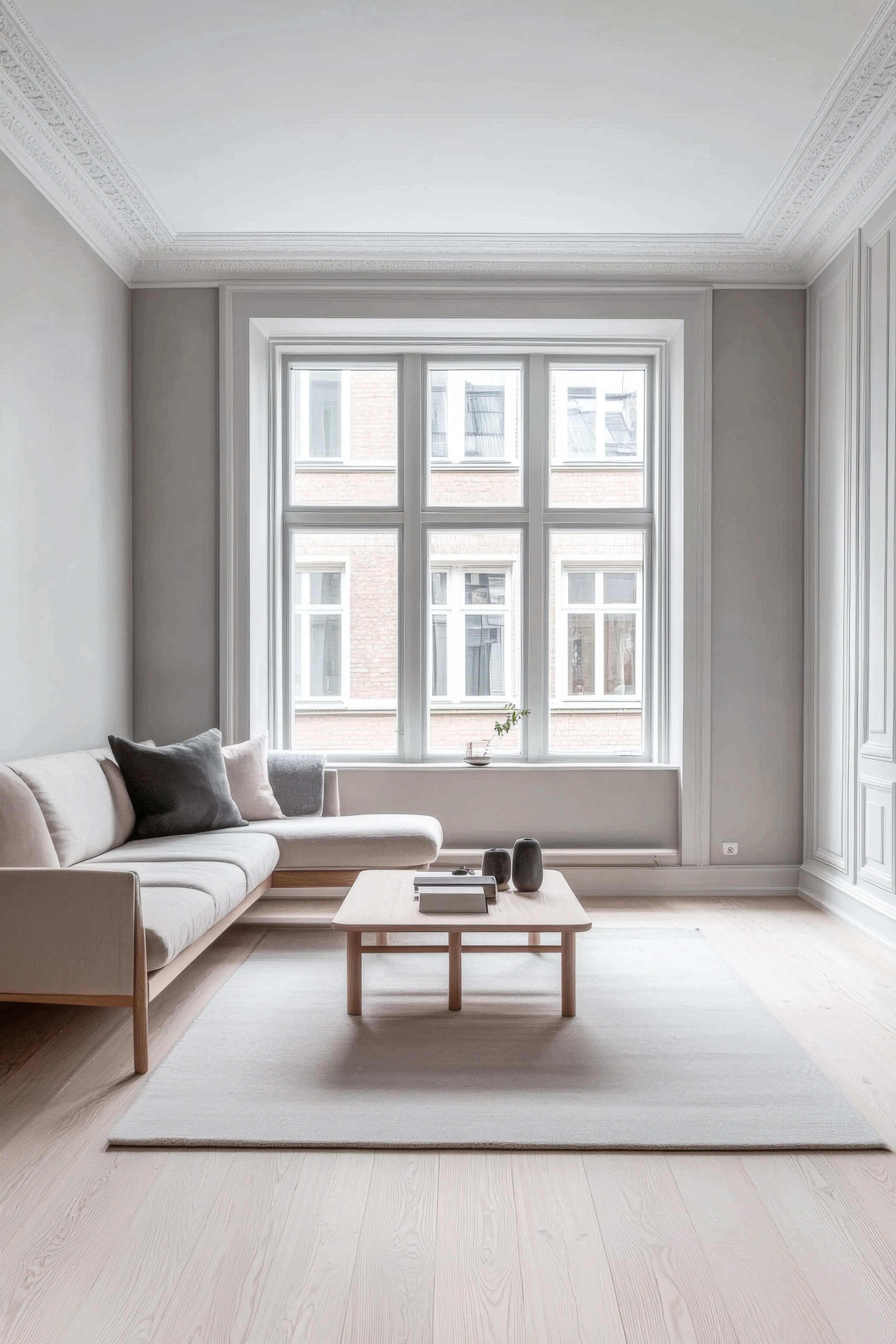
Timeless pairing with clean white trim and a tonal accent wall
Side Walls
Barefoot in the Grass
#9CA476
Accent Wall
Tonal Shift
A warm shift that adds depth without clashing.
#92AD85
Trim & Molding
Digital white
Crisp white trim for a clean, traditional look.
#FFFFFF
Color Palettes for Barefoot in the Grass
Color harmonies based on color theory — each swatch links to the closest matching paint.
Opposite on the color wheel — creates vibrant contrast
Barefoot in the Grass Room Palettes
Color schemes built around this color — each swatch links to the closest matching paint.
Warm & Inviting
Warm tones with cozy appeal — welcoming and comfortable
Cool & Calm
Cool hues with soft contrast — serene and restful
Bold Contrast
Complementary hues with punch — dynamic and striking
Similar Benjamin Moore Colors
Other Benjamin Moore colors close to Barefoot in the Grass.
More green colors from other brands
Cross-brand colors in the green family — useful when you want a similar look from a different brand.
Barefoot in the Grass — Frequently Asked Questions
What undertone does Barefoot in the Grass have?
Barefoot in the Grass by Benjamin Moore has a cool (green) undertone and sits in the green color family. This is a digital classification, not a prediction of physical paint under every light. Compare samples in your own space.
What colors match Barefoot in the Grass from other brands?
The closest cross-brand equivalents to Barefoot in the Grass are Cucuzza Verde by Sherwin-Williams (a close digital match), Nurturing by Behr (a close digital match), Winter Sage by Behr (a close digital match) — the best options for getting Barefoot in the Grass's look from a brand your local store carries. Confirm with a physical sample, since sheen and lighting shift the final result.
What is the LRV of Barefoot in the Grass?
Barefoot in the Grass has a estimated lightness value of 34.9, on a scale where 0 is pure black and 100 is pure white — that makes it a mid-depth color with real presence — strong on accent walls, libraries, and rooms with good natural light.
Explore More with Barefoot in the Grass
Related Reading
How to Match Paint Colors Across Brands
The science behind Delta E and CIEDE2000 — find a Behr equivalent of any Sherwin-Williams shade, or a Benjamin Moore alternative when your store is out of stock.
Understanding Paint Color Undertones
Why Barefoot in the Grass's cool (green) undertone matters more than its surface color — and how to read undertones in any paint chip.