Paint Sheen Guide: Flat vs Eggshell vs Satin vs Semi-Gloss
You've spent hours picking the perfect color, but if you choose the wrong sheen, the whole room will feel off. Sheen affects how a color looks, how durable the paint is, and how easy it is to clean. Major brands like Benjamin Moore and Sherwin-Williams offer each sheen level across their premium lines. Here's every finish level explained, from flattest to shiniest, with room-by-room recommendations.
Flat / Matte
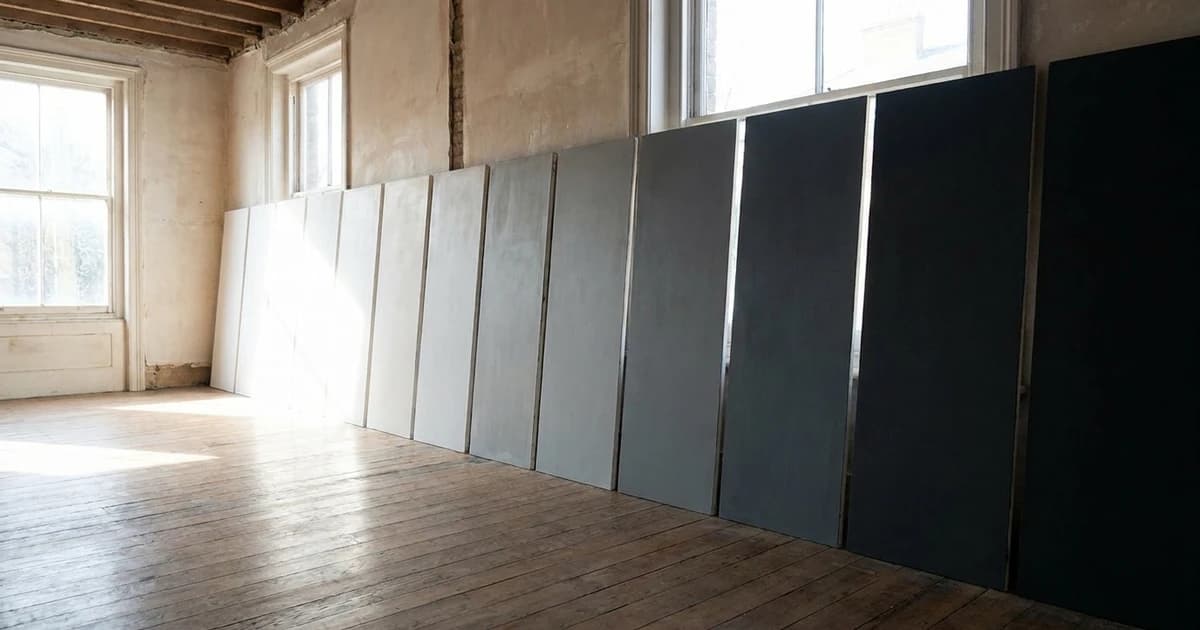
Sheen level: 0–5% gloss. Look: Completely non-reflective. Absorbs light and hides surface imperfections like bumps, patches, and uneven drywall.
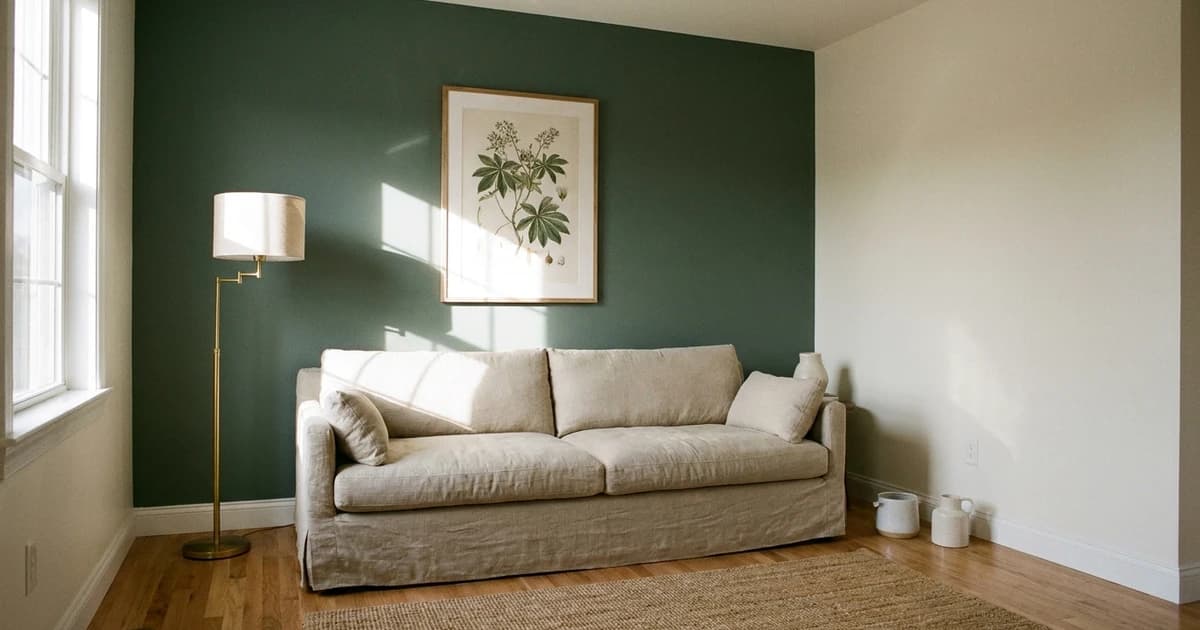
Pros: Best for hiding wall imperfections. Provides the richest, deepest color appearance. No glare from lighting.
Cons: Difficult to clean: marks and scuffs can be permanent. Not moisture resistant. Shows touch-ups easily.
Best for: Ceilings, adult bedrooms, formal dining rooms, low-traffic rooms. Also the standard for exterior siding.
Eggshell
Sheen level: 10–25% gloss. Look: A soft, velvety finish with just a hint of luster, like the surface of an egg.
Pros: Easy to wipe clean. More durable than flat. Still hides minor imperfections. A common choice for living-area walls.
Cons: Shows touch-ups slightly more than flat. Not ideal for very high-moisture areas.
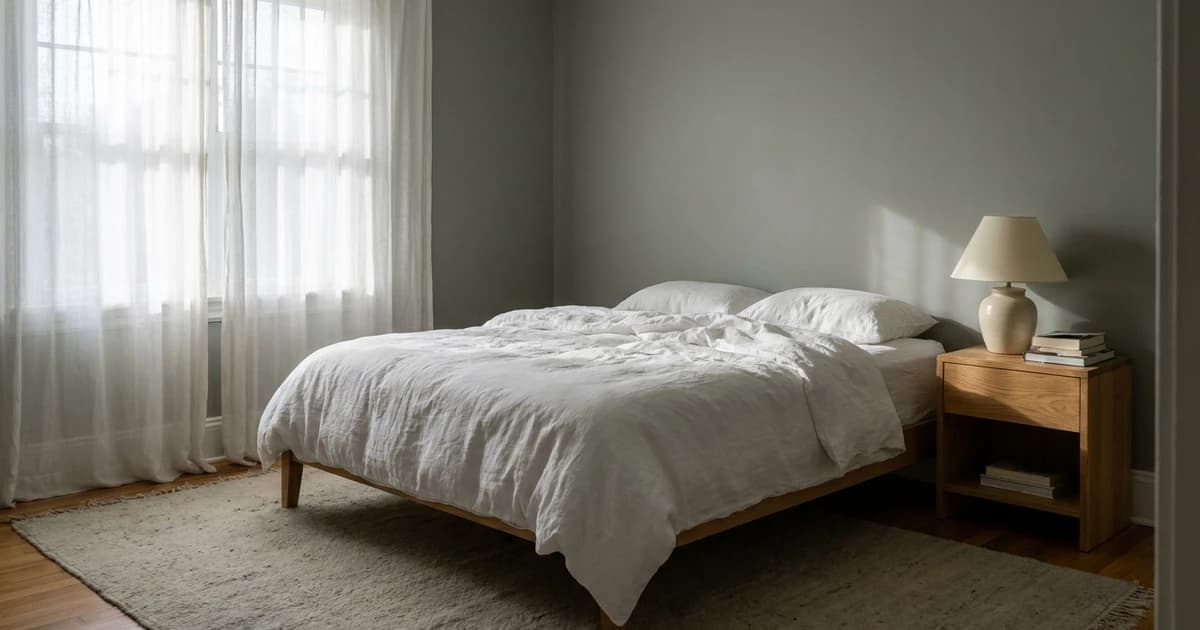
Best for: Living rooms, bedrooms, hallways, dining rooms, home offices: basically most walls in your home. This is the default choice.
Satin
Sheen level: 25–35% gloss. Look: A noticeable soft sheen that catches light gently.
Pros: Very easy to clean (most stains wipe off). More moisture resistant than eggshell. Durable in high-traffic areas.
Cons: Shows wall imperfections more than eggshell. Can create glare in rooms with lots of direct light.
Best for: Kitchens, bathrooms, kids rooms, laundry rooms, high-traffic hallways. Also excellent for exterior trim.
Semi-Gloss
Sheen level: 35–70% gloss. Look: Noticeably shiny, reflective.
Pros: Extremely durable and easy to clean. Highly moisture resistant. Creates visual definition between trim and walls.
Cons: Shows every imperfection: bumps, brush strokes, roller marks. Requires careful surface prep and application.
Best for: Trim, baseboards, door frames, cabinets, bathroom walls above tile, kitchen backsplash areas.
High-Gloss
Sheen level: 70%+ gloss. Look: Mirror-like, extremely reflective.
Pros: The most durable and cleanable finish. Striking, lacquer-like appearance.
Cons: Shows every imperfection dramatically. Requires professional-level prep and application. Rarely used on full walls.
Best for: Front doors, accent furniture, built-in shelving, statement pieces.
The Simple Room-by-Room Rule
Ceilings: Flat. Most walls: Eggshell. Kitchens & bathrooms: Satin. Trim & cabinets: Semi-gloss. Front door: Semi-gloss or high-gloss. This is the formula most painters follow, and it works for 95% of homes.
For more help choosing colors for each room, check our guides for kitchens, bedrooms, bathrooms, and living rooms. Preview how different sheens look on your walls with our room visualizer, and use our paint calculator to figure out exactly how many gallons you need.
Frequently asked questions
- What paint sheen should I use for a bedroom?
- Eggshell is the standard for adult bedrooms: soft, slightly washable, hides minor wall imperfections. Use flat or matte for ceilings. Kids' bedrooms benefit from satin or eggshell for easier cleanup of fingerprints and crayon.
- What sheen for kitchens and bathrooms?
- Satin or semi-gloss for kitchen and bathroom walls: both are moisture-resistant and easy to clean. Eggshell can work in dry, well-ventilated bathrooms but won't hold up over a shower. For trim, use semi-gloss in both rooms.
- What sheen for trim, doors, and baseboards?
- Semi-gloss is standard for trim and doors: it's durable enough to handle frequent contact and easy to wipe clean. The slight contrast in sheen between walls (eggshell) and trim (semi-gloss) is what gives a room its crisp finished look. High-gloss is reserved for accent doors, cabinets, or trim where you want maximum shine.
- Does sheen affect how a paint color looks?
- Yes. The same color looks slightly different across sheens. Higher sheens reflect more light, making colors appear marginally lighter and more saturated. Flat absorbs light and produces the richest, deepest color appearance. When comparing colors across brands, always compare the same sheen level.